
Two Reasons to Love Bread Again: Power Bread and Struan
October 24, 2009 by The swedish meatball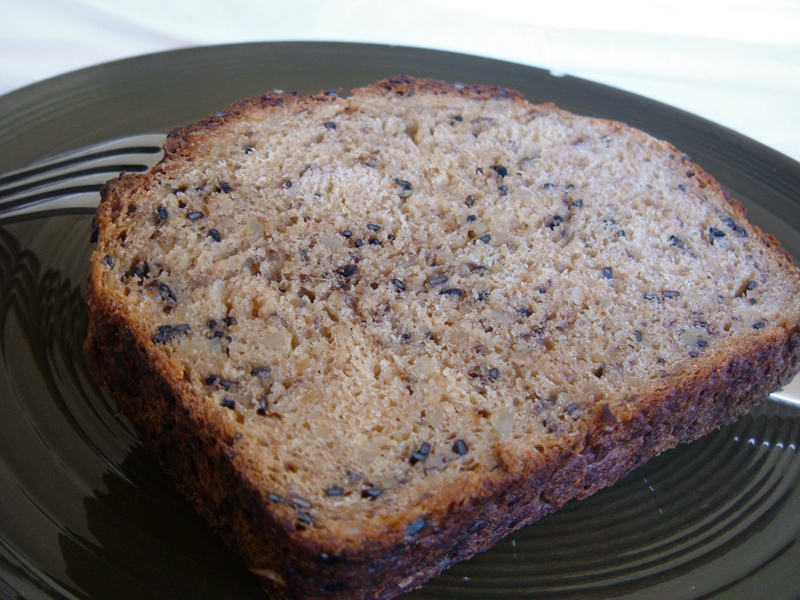
Very few recipe books are "essential." When you understand kitchen fundamentals, when you begin to grasp the concept of ingredients by ratio, when you have no fear of exploring new flavors—you can free yourself from the dreaded recipe and have a lot of fun cooking. That’s not to say you can’t learn from someone else’s recipes. A good recipe book will refine your basic techniques, familiarize you with foreign cuisines, and help you develop unique "dish concepts." However, I rarely find myself attached to one book and hauling the bugger around like a trusty sidekick. It’s just part of my personality. For better or worse, I have an innate resistance to listening and following the directions of any one person.
But these days I’m often not very far from Peter Reinhart’s Whole Grain Breads. This book is gem.
The recipes are flexible and interesting, and the pages are littered with Peter’s insightful commentary. With so few truly excellent and thoughtful texts dedicated to the subject of whole grain baking, Whole Grain Breads is on groundbreaking territory; and when you taste the bread, you will never again see whole grains as mere "health food." So—for any aspiring baker, for the family who wants to eat well but enjoy wholesome and tasty foods, for shoppers who are tired of the rubber grocery stores serve in prepackaged plastic bags—this book is essential.
That said, here are my comments on the power bread and struan:
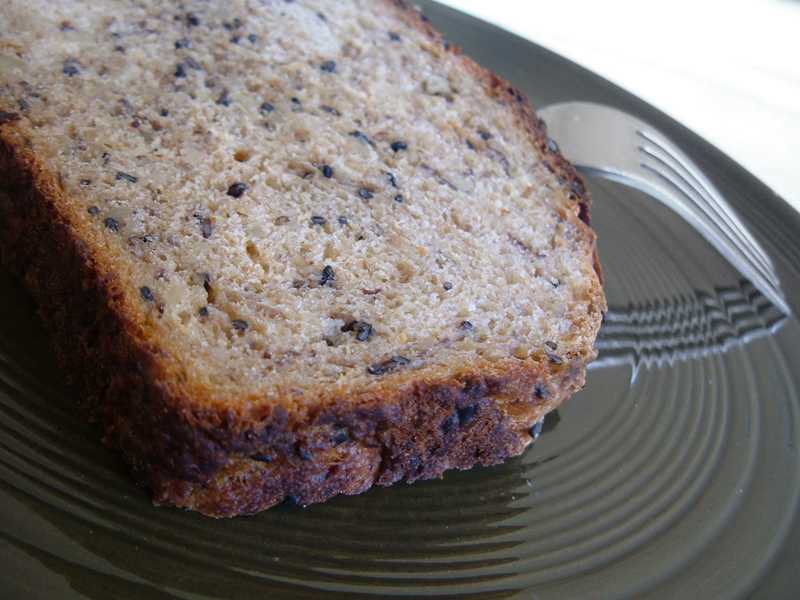
- Tyler and I both loved the power bread. The bread is very filling and well balanced nutritionally, with 4g of protein and 2.5g of fat per 17.5g of carbs (3 grams of which is fiber). As you can see in the picture, the crumb is very dense (expected for a fruit and nut bread) and the crust is very dark (also expected because of the high sugar content). The most prominent flavors are the sweet raisin and nutty sunflower seed. Tyler would like to see slightly less sunflower seed, so I may add pumpkin seed to compensate. Also, be sure to cover the top with foil once initial browning is finished; the very top of the loaf was slightly burned.
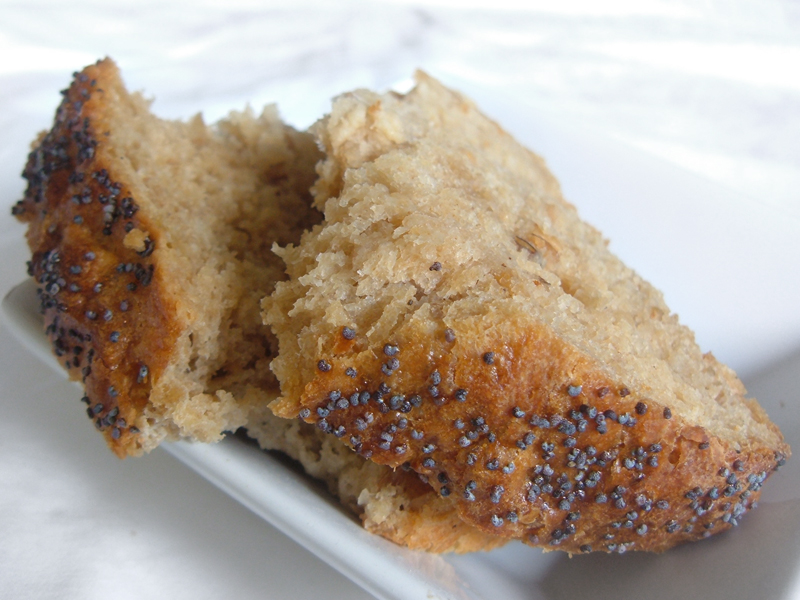
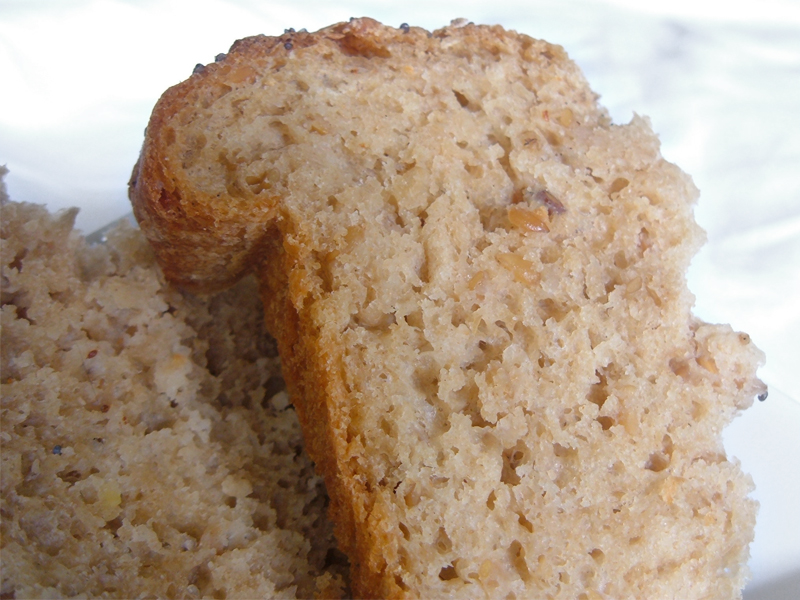
- The struan, made with 170g of golden flaxseeds and pre-cooked steel cut oats, is fantastic in my opinion—the best of the enriched breads thus far. The crumb is open, but not swiss cheese, which is just what you want in your sandwich bread. The crust is golden brown. The interior is soft and textured due to the grains, but not at all rubbery or unpleasant. The poppy seeds add a nice extra touch of sweet. The dough is very wet, and I left it perhaps a bit too wet; it's always hard to tell the difference between "slightly sticky" and out-and-out "sticky." Next time I may experiment by adding a bit more flour to see what effect this has on the spring quality of the bread. NB: I usually add unequal amounts of flaxseed and steel cut oats, with less flaxseed and and more oats. This formula seems about right, but I may use other grains in the future: amaranth, oat bran, barley, buckwheat, bulgur, cracked wheat, quinoa, or berries from wheat or rye.
- Update 10/28/09: The addition of extra flour to the struan was spot-on. However, the extra rise produced another problem: the bread pan is too small! Tyler suggests (and I concur) that creating two loaves with only 150% of the ingredients will produce the right size... My hubby occasionally has superb cooking instincts; it's always a pleasure to field his opinion.
The baking continues!