
Catalan Albondigas
October 26, 2009 by The swedish meatball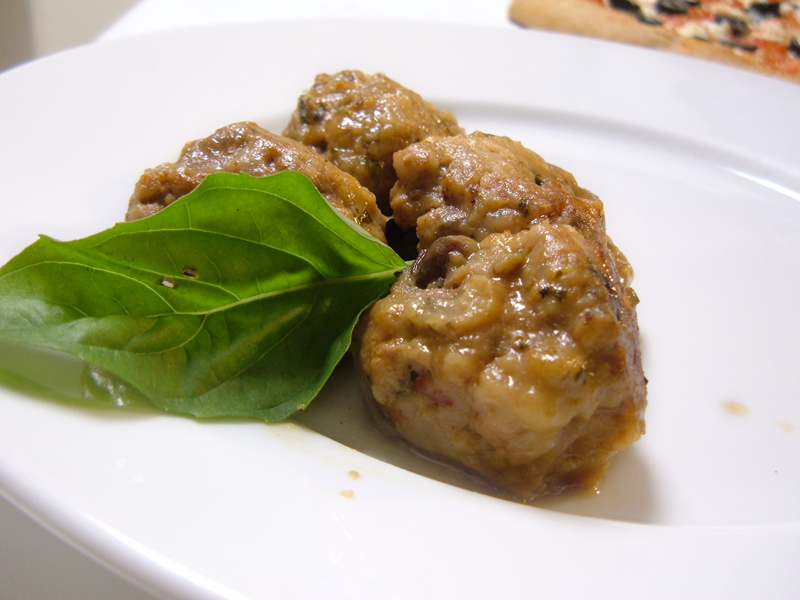
The theme this week was Spanish cuisine and flavors. (More on why in the next article.) I needed an all-meat dish to accompany the other main, so I bumbled around on the internet until I ran across "albondigas"—or meatballs. The snafu: the online recipes were all over the map. Many of the meatballs were basted in a tomato sauce, but some were in wine-vegetable broths. Beef, pork, veal, bacon, and chicken were all candidates for the actual meat content. One of them called for Parmesan cheese, and that’s where I just drew the line. Parmesan cheese? As in the Parmigiano Reggiano of Italy?! Why would Spain, with all its lovely and wonderful cheeses, use Parmesan in what is considered a classic dish of Spain? I dove for the nearest bookstore. Save me from the hordes of sameness! I was not going to be conned into some American rendition of spaghetti and meatballs (minus the spaghetti), no matter what the internet said.
There are just two books I consider somewhat authoritative on the subject, given the limited selection of Borders: Spain and the World Table, a product of the Culinary Institute’s conference on Spanish cuisine, and The New Spanish Table, written by Anya von Bremzen. Spain and the World Table is interesting enough, but Bremzen’s section on meatballs really caught my eye. She clearly explains some of the online confusion concerning albondigas. In urban Madrid, Bremzen claims, the tomato-based meatball is a popular tapas, while in the Catalan-speaking regions, another kind of meatball is more prevalent. The latter reflects more of the Moorish impact on Spanish cuisine and is presented in a sauce containing both almonds and saffron.
"Almonds and saffron" I thought. "Neat. Let’s go."
So here I present Albondigas con Manzanas (Apples) y Setas (Mushrooms) from the southeast coast of Spain, courtesy Anya von Bremzen of The New Spanish Table. As always, comments and suggestions follow the recipe.
Ingredients for the Meatballs
3 Tbsp olive oil
¾ cup finely chopped white onion
1 (4 oz) portobello mushroom, finely chopped
2 slices white sandwich bread, crusts removed
⅓ cup milk
10 oz ground veal
10 oz ground pork
2-3 oz sliced pancetta, finely chopped
1 large egg, beaten
3 Tbsp unsweetened apple sauce
3 Tbsp minced flat leaf parsley
1½ tsp sweet paprika
2 tsp freshly ground black pepper
1½ tsp kosher salt
all purpose flour, to dust the meatballs
Ingredients for the Sauce
3 Tbsp olive oil
½ cup finely chopped white onion
reserved chopped portobello
1 medium tomato, halved, peeled, and seeded
2 Tbsp medium sweet sherry or 1 large pinch of sugar
¼ cup dry white wine
½ cup chicken stock
1 slice baguette, cubed (3 inch diameter, ½ inch thick)
2 medium garlic cloves, coarsely chopped
8 toasted almonds, coarsely chopped
2 Tbsp flat leaf parsley
1 small pinch of saffron, pulverized with a mortar and pestle and steeped in 2 Tbsp of very hot water
- Cook the onion in olive oil until translucent. Add two cups of chopped portobello mushroom, reserving the rest of the mushroom for the sauce. Cook until the mush releases and reabsorbs some of its liquid (about 5 minutes). Let the mushroom mixture cool.
- Soak the bread in milk for five minutes. Squeeze the excess liquid out, then crumble the bread into a large container.
- Add the veal, pork, pancetta, egg, applesauce, parsley, paprika, pepper, salt, and mushroom mixture. Gently knead until all the ingredients are just combined. Do not over-knead.
- Shape the meat mixture into one inch balls, toss them lightly in flour, and shake off the excess.
- Brown the meatballs in a large skillet with olive oil over medium-high heat. Cook for 3-4 minutes.
- To make the sauce and finish cooking the meatballs: cook the onion with olive oil over medium heat until the onion is translucent. Add the reserved mushrooms and cook two minutes. Add the tomato and cook until the tomato begins to caramelize (about 6-7 minutes). Add the sherry and the wine, increase the heat to high, and cook for 1-2 minutes. Stir in the chicken stock then add the meatballs and reduce the heat to very low. Cover the skillet and cook for 10 minutes. On the side, brown the bread cubes in olive oil over medium heat (about 2 minutes). Add the garlic and almonds and cook until fragrant. Transfer this mixture to the food processor and puree with parsley and saffron. In the last two minutes of cooking the meatballs, add the puree to the meatball pan. When the meatballs are finished, remove the skillet from heat and cool the pan contents for 5-10 minutes.
I tripled this recipe and rolled exactly 74 meatballs. Yikes! The rush to eat and watch Game 6 of Angels vs. the Yankees meant my execution was sloppy. However, serendipity being what it was, the outcome was far tastier and much more addictive than I expected. The meatballs were tender (not dense) and somewhat spicy due to the quantity of pepper. The sauce was thick, rich and brimming with flavor; it carried the savory intensity of the meat, the acidity of the Blanc, a slight nuttiness, and sweet notes from the other wine and little bursts of tomato. Overall this recipe was a wonderful deviation from our usual meatball (a spicy cranberry variant). I definitely plan on revisiting this darling again. But I have a few more remarks to share first:
- There were a few substitutions this round: marsala wine instead of sherry (just what I had on hand), and homemade whole wheat bread in place of the white bread and baguette. I didn't notice any adverse affect on the meatballs or the sauce, so I'm happy.
- When making meatballs, do not over-knead the meat and do not pack your meatballs. You do not want a dense, hard rock for dinner. Using latex gloves or moistening your hand with water will prevent the meat from sticking to your hand; after that, just use a gentle rolling motion to shape the meat. Avoid clamping your hands together like a press. Bad idea.
- If you're concerned about keeping the size of your meatballs consistent, just use an ice cream scooper to help you measure.
- If you pan fry the meatballs as directed, deglaze the pan with chicken stock in between batches and scrape the bottom of the pan with a nylon or silicone spatula. Save the deglazing liquid and use in the sauce. Yes, it's more work. But it tastes darn good.
- I made one terrible mistake while preparing this dish: lining the baking trays with flour. I had a lot of meatballs to roll, and I was concerned about the meat sticking to the surface of the tray, so I threw down all purpose flour. Ugh. Bad Jenn, bad! Part of the liquid in the meat was drawn down into the flour, leaving me meatballs with a soggy flour bottom. No matter how much shaking and tapping I did, that soggy bottom just wouldn't come off and I didn't have time to scrape off the damn bugger for each and every meatball. Frak munster. Next time: do not introduce flour to the meatball until it's ready to hit the pan.
- You know, as much as I enjoy pan frying 74 meatballs, that's not really the highlight of my day. I'd much prefer to use the oven—which is what I do for my other meatballs, so I know it works and works well. Try it here. Or listen to my next suggestion instead if you like the idea of deglazing (see my earlier comment).
- For the love of God, kami, and all the other semi-deities out there, if you make 74 meatballs, don't cook them all at once. Just freeze part of the meat... or something.
- There's too much black pepper in the meatball recipe. Reduce to allow some of the other flavors stage presence.
- I was initially a little taken aback by the presence of pancetta in a Spanish recipe, but apparently pancetta is common throughout parts of Europe. The internet tells me pancetta is even served as a tapas in Spain.